
99: The Turntable in Your Pocket
DJ Mixer Studio - DJ Music Mix
Get it on Playstore Get it on the App Store
DJ Mixer Studio by Mobile_V5 is a mobile DJ simulation application that has achieved remarkable scale in a crowded category. With over fifty million downloads and a four point five star rating, it sits among the most widely used DJ tools on the Play Store, a testament to the enduring appeal of turntable emulation on smartphones. The app transforms Android devices into virtual DJ consoles, offering dual-deck mixing, scratching, looping, and effects processing for users who want to experiment with music manipulation without investing in physical hardware.
The app occupies a specific niche: casual DJing for entertainment rather than professional performance. It targets hobbyists, party hosts, aspiring DJs testing their interest before purchasing real equipment, and anyone who enjoys the tactile satisfaction of manipulating music through a simulated interface. At fifty million downloads, it has clearly found a massive audience for this proposition.
Core Capabilities
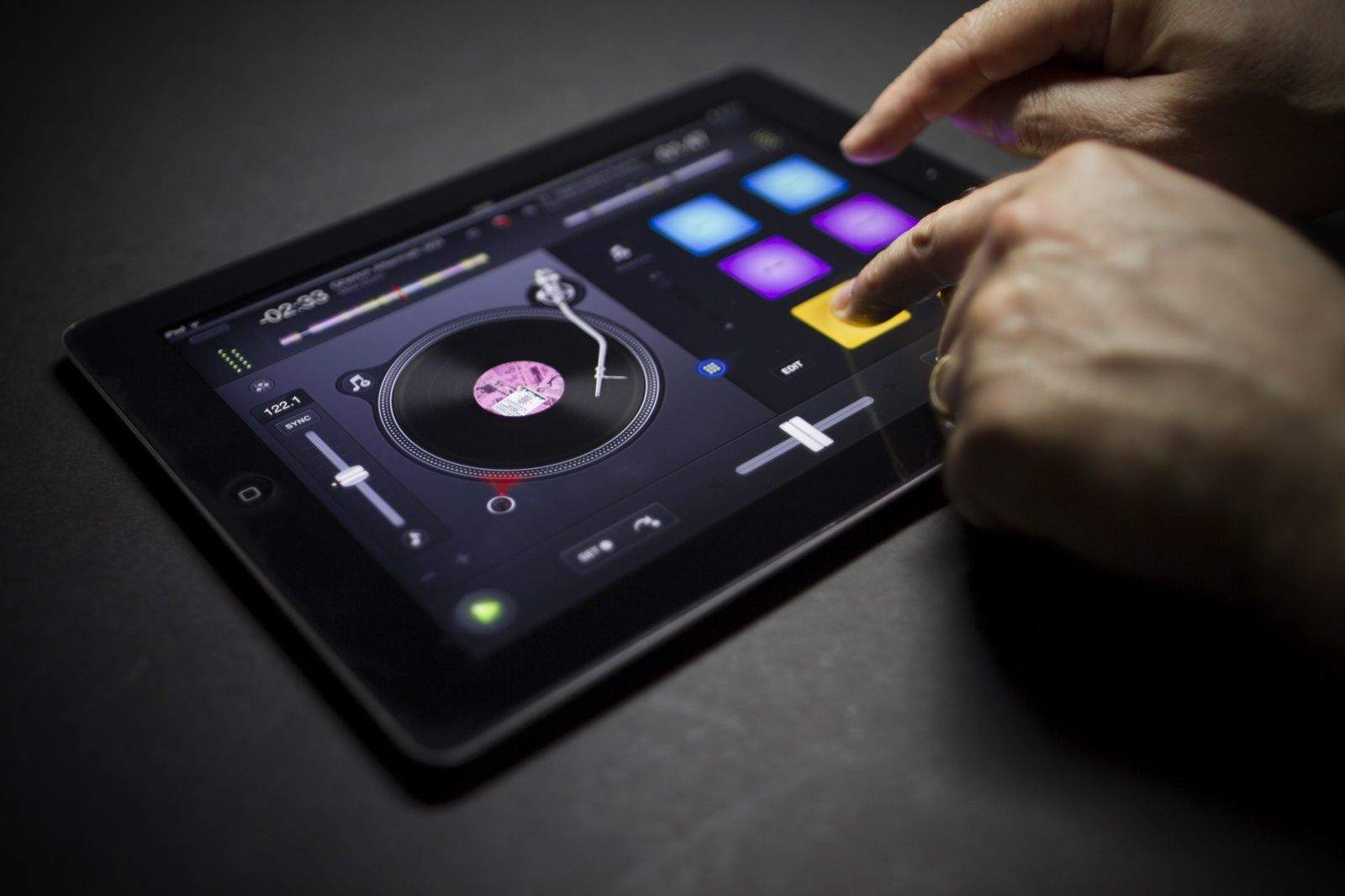
The app presents a dual-deck interface that mimics physical DJ equipment. Users load tracks from their device storage onto two virtual turntables, then manipulate playback using pitch sliders, crossfaders, equalizers, and loop controls. The mixing surface includes volume faders for each deck, a central crossfader for blending between tracks, and three-band equalizers for frequency manipulation.
Scratching functionality allows users to simulate vinyl manipulation by dragging the virtual platters, producing the characteristic backspin and forward-scratch sounds. Loop creation enables users to isolate and repeat specific sections of tracks, a fundamental DJ technique for extending breakdowns or building transitions. BPM detection and pitch adjustment help users match tempos between tracks, though the accuracy of automatic beat detection varies with musical complexity.
The app supports recording of live mixes, allowing users to capture their sessions for later playback or sharing. Playlist management enables queueing of tracks in advance, reducing the interruption of browsing during active mixing. A search function helps users locate specific songs within their library quickly.
Audio effects including flanger, echo, and reverb add creative texture to mixes. The interface is designed to be visually reminiscent of professional DJ hardware, with virtual knobs, sliders, and platters that respond to touch input.
What It Does Well
The app's greatest strength is accessibility. For users curious about DJing but unwilling to spend hundreds or thousands of dollars on physical controllers, mixers, and turntables, the app provides a zero-cost entry point. The four point five star rating reflects genuine satisfaction among users who approach the app with appropriate expectations, understanding that a smartphone screen cannot replicate the tactile feedback and precision of professional equipment.
The interface design successfully evokes the aesthetic of real DJ hardware. The virtual platters, faders, and knobs create an immersive experience that feels more authentic than simpler music player apps. For users hosting casual gatherings or practicing basic mixing techniques, this visual fidelity adds to the enjoyment.
The recording feature is genuinely useful for aspiring DJs who want to review their practice sessions. Being able to listen back to a mix, identify transition mistakes, and track improvement over time is a fundamental learning tool that the app provides without additional cost.
The lightweight nature of the app, with an APK size around thirty megabytes, ensures broad device compatibility. Users on older or budget Android devices can install and run the app without the storage or performance concerns that accompany more complex audio production software.
The free cost is meaningful in a category where professional DJ software like Serato, Rekordbox, and Traktor requires significant investment. For users treating DJing as a casual hobby rather than a career path, the absence of financial barrier is a genuine advantage.
Limitations and Concerns
The most significant limitation is the fundamental mismatch between smartphone interfaces and professional DJ workflows. Touchscreens lack the tactile feedback, physical resistance, and spatial precision that DJ equipment requires. Faders on a screen cannot be felt, knobs cannot be grabbed blindly, and platter scratching lacks the inertia and friction of real vinyl. Users expecting to develop transferable skills for physical equipment will find the experience misleading rather than preparatory.
Audio quality is a persistent concern. The app processes audio through the device's digital signal path, which introduces latency and reduces fidelity compared to dedicated audio interfaces. The output is suitable for casual listening through phone speakers or basic Bluetooth connections but falls short of the quality standards required for professional performance or recording.
The advertising model is intrusive. Full-screen advertisements and banner placements interrupt the mixing experience, appearing between track loads, during settings navigation, and occasionally during active playback. For an app simulating a professional creative tool, these interruptions are particularly disruptive. The frequency of ads suggests aggressive monetization that prioritizes revenue over user immersion.
The music library dependency creates friction. The app can only mix tracks stored locally on the device, with no integration with streaming services like Spotify, Apple Music, or SoundCloud. Users must manually transfer music files to their device, a process that many modern users find unfamiliar and inconvenient. The absence of streaming integration significantly limits the app's utility in an era where most music consumption occurs through subscription services.
Performance issues are documented, particularly on devices with limited processing power. Audio dropouts, lag between touch input and audio response, and crashes during extended mixing sessions are reported by users. The app requires sufficient RAM and CPU resources to process two audio streams simultaneously with effects, demands that budget devices struggle to meet.
The developer, Mobile_V5, has limited public presence and no established reputation in professional audio software. Support responsiveness is minimal, with users reporting unanswered queries about technical issues and feature requests. The app appears to be a monetization-focused product rather than an actively developed creative tool.
The learning curve, while shallower than professional software, still presents challenges. The interface, while visually authentic, does not include guided tutorials or structured learning paths. Users unfamiliar with DJ terminology and techniques may find themselves overwhelmed by the array of controls without understanding their functions.
Competitive Positioning
The mobile DJ app category is saturated with alternatives, each offering similar core functionality with varying degrees of polish. DiscDj 3D Music Player offers a three-dimensional interface with more immersive visual presentation but requires larger screens for practical use and lacks Bluetooth audio output options. DJ Studio 5 provides comprehensive free features including SoundCloud sharing but suffers from interface complexity that confuses novice users.
Against these alternatives, DJ Mixer Studio wins on download scale and basic functionality but loses on feature depth and interface innovation. It is a competent middle-ground option that neither excels nor disappoints.
Against professional software like Serato DJ Lite or Virtual DJ, the comparison is not meaningful. These desktop applications offer hardware integration, streaming service support, high-fidelity audio processing, and professional output standards that mobile apps cannot approach. DJ Mixer Studio is a toy in comparison, though that is not necessarily a criticism for its intended audience.
Against music production apps like FL Studio Mobile or GarageBand, DJ Mixer Studio offers a more focused DJ-specific experience but lacks the compositional and production capabilities that those tools provide. Users seeking to create original music rather than mix existing tracks need different software entirely.
Target Audience
The app is best suited for casual users curious about DJing, party hosts who want background music manipulation, and aspiring DJs testing their interest before investing in physical equipment. It appeals to younger users who enjoy the gamified experience of virtual turntable manipulation and social media content creators seeking simple audio mixing for video backgrounds.
It is not recommended for users seeking professional DJ training, audio quality suitable for public performance, or integration with modern streaming music libraries. Users with serious DJing ambitions should invest in physical controllers and professional software rather than developing habits on a touchscreen simulation.
Verdict
DJ Mixer Studio is a competent, widely adopted DJ simulation that succeeds in its narrow ambition: providing casual music mixing entertainment at zero cost. The four point five star rating reflects genuine satisfaction among users who understand and accept the app's limitations.
However, the gap between simulation and reality is substantial. The app cannot develop transferable DJ skills, cannot produce professional-quality audio, and cannot integrate with modern music consumption habits. The advertising model is intrusive, the developer support is minimal, and the hardware constraints of smartphone interfaces fundamentally limit what is possible.
For users seeking a fun, free way to experiment with music mixing at parties or in private, the app delivers adequate value. For anyone with serious creative or professional aspirations, it is a stepping stone that should be quickly outgrown.
Rating: Six out of ten. A functional and accessible DJ simulation with broad appeal for casual users, undermined by inherent hardware limitations, intrusive advertising, and lack of streaming integration. Recommended for entertainment and curiosity-driven exploration. Not recommended for professional development or serious music production.